Specialised support for complex trauma, relational trauma, and developmental wounds. A private, confidential Eastern Suburbs practice.
Suite 25, Level 1, 100 New South Head Road, Edgecliff NSW 2028. A 5-minute walk from Edgecliff Station (train). Metered parking on side streets. Westfield Bondi Junction parking nearby.
Thursday: 10am – 5pm
This is a dedicated Edgecliff-only day.
Telehealth sessions may be available on other days by arrangement.
Medicare rebate: $181.05
Private: $280
60-minute sessions. GP Mental Health Plan required for Medicare.
Complex trauma rarely looks the way people expect. There's often no single catastrophic event to point to — instead, it's the accumulation of experiences that taught you the world isn't safe, that people will eventually hurt you, or that something about you is fundamentally broken. These lessons, absorbed in childhood or through toxic relationships, become invisible operating systems that run every interaction you have as an adult.
In the Eastern Suburbs, I see a particular pattern: people who have built impressive external lives — beautiful homes, successful careers, social calendars others envy — while carrying a private weight that nobody around them understands. The achievement itself can become a coping mechanism, a way of proving worth that was never reflected back in childhood. But no amount of external validation can quiet the internal voice that says you're not enough.
If this resonates, it's not a character flaw — it's what happens when early relationships fail to provide the safety and attunement every developing mind needs. And it can change. Not by erasing the past, but by understanding how it lives in you now and gradually building new relational experiences that rewrite those early templates.
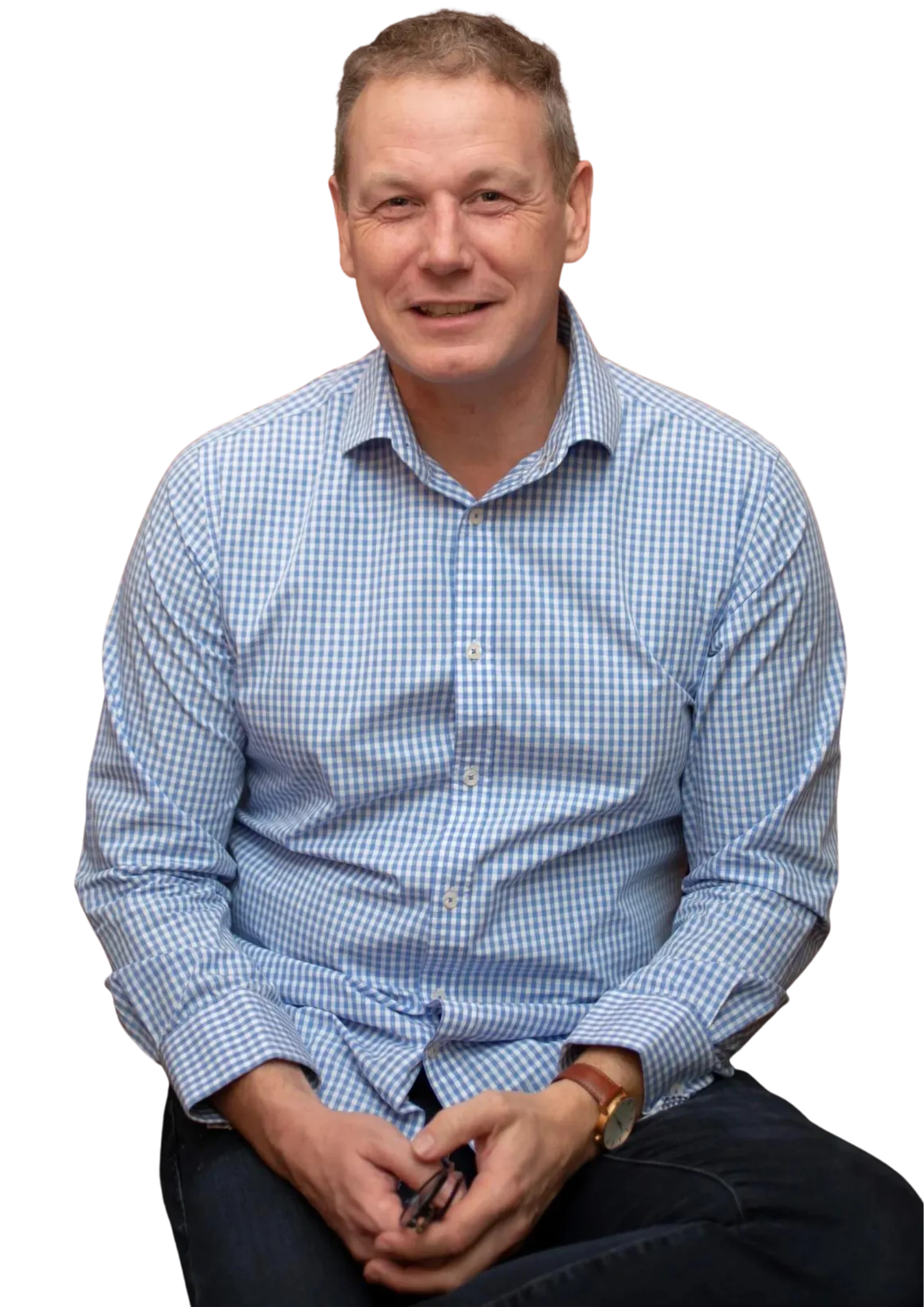
I'm Tim Carey, a registered psychologist specialising in complex and relational trauma. My Edgecliff practice at Suite 25, Level 1, 100 New South Head Road — steps from Edgecliff Station — provides a private, professional space for clients across the Eastern Suburbs, Double Bay, Paddington, and Woollahra to process difficult experiences.
Over 20 years of clinical work, I've developed particular expertise in complex trauma — the kind that doesn't stem from a single event but from sustained difficult relationships, childhood experiences, or institutional environments. I work with the whole picture: body responses, relational patterns, and deeply held beliefs about safety and self-worth.
I see clients at Edgecliff on Thursdays from 10am to 5pm, and I offer telehealth sessions for clients who prefer to work from home. Complete confidentiality is guaranteed — particularly important for clients in professional or public-facing roles.
Complex trauma doesn't heal on a timeline, and it doesn't respond to willpower alone. What it does respond to is the right therapeutic relationship — one built on safety, trust, and genuine expertise. That's what I offer at Edgecliff.
Medicare rebates available with a GP Mental Health Care Plan · Thursdays 10am–5pm · Telehealth offered
Complex trauma requires a different kind of therapy. Rather than focusing on a single memory, we work with the relational patterns, core beliefs, and body-held tension that developed over time — at a pace that respects your nervous system's capacity.
Developmental and relational trauma can't be treated with a one-size-fits-all protocol. I work with the whole picture — your attachment history, the roles you learned to play in your family, the survival strategies that once protected you but now hold you back. We untangle these threads carefully, building new capacities along the way.
Schema therapy identifies the deep-seated beliefs about yourself and others that formed during childhood — "I'm unlovable," "People always leave," "I have to be perfect to be accepted." These schemas drive adult behaviour in ways that feel automatic and unchangeable. Together, we bring them into awareness and gradually develop healthier alternatives.
Trauma lives in the body as much as the mind. Chronic tension, a racing heart when nothing's wrong, the inability to feel relaxed even in safe environments — these are somatic imprints of unresolved experience. I guide you in reconnecting with your body safely, learning to read its signals without being overwhelmed by them.
How you bonded with your earliest caregivers shapes every relationship that follows — romantic partners, friendships, professional dynamics, even how you parent your own children. Understanding your attachment style isn't about blaming your parents; it's about recognising patterns so you can consciously choose different ones.
Before we process any trauma material, I ensure you have robust internal resources to manage what surfaces. We build your capacity for emotional regulation, grounding techniques, and self-compassion practices — creating a solid foundation so that when we do approach difficult material, you feel equipped rather than overwhelmed.
For some trauma survivors, beginning therapy from home feels safer — especially when trust is difficult and the thought of a new clinical environment feels exposing. Telehealth allows you to start the process in a space where you already feel contained, transitioning to in-person sessions when — and if — you're ready.
From prolonged or repeated trauma, especially in childhood — ongoing abuse, neglect, or living in an environment of fear. Complex PTSD goes beyond flashbacks: it reshapes your identity, your capacity for trust, and your ability to regulate emotions. Treatment addresses all of these layers, not just the memories themselves.
Trauma inflicted by people who were supposed to love or protect you — narcissistic abuse from a partner or parent, coercive control, domestic violence, professional betrayal, or gaslighting that made you question your own reality. Recovery means learning to trust your perceptions again and recognising the red flags your trauma trained you to ignore.
Childhood neglect, emotional abuse, inconsistent caregiving, or attachment disruptions that occurred during critical developmental windows. The impact often doesn't surface until adulthood — as difficulty maintaining relationships, chronic emptiness, or a persistent feeling that something is fundamentally wrong with who you are.
Rebuilding your life, identity, and relationships after traumatic experiences — whether leaving an abusive relationship, estranging from a toxic family system, or navigating the world after disclosing abuse. This phase of recovery focuses on who you're becoming, not just what happened to you.
Trauma rarely exists in isolation — it often intertwines with anxiety, depression, substance use, and grief. I provide integrated support across these areas at Edgecliff.
Mindfulness & ACT approaches
Values-based recovery
Trauma-informed recovery
Navigating loss & change
Prefer the Inner West? I also provide trauma therapy at my Earlwood practice — with Mon/Tue/Wed sessions and SIRA-accredited WorkCover support.
You've carried this long enough — the hypervigilance, the self-doubt, the exhausting performance of being okay. Book a session at Edgecliff and let's start building the safety that was missing when you needed it most.